
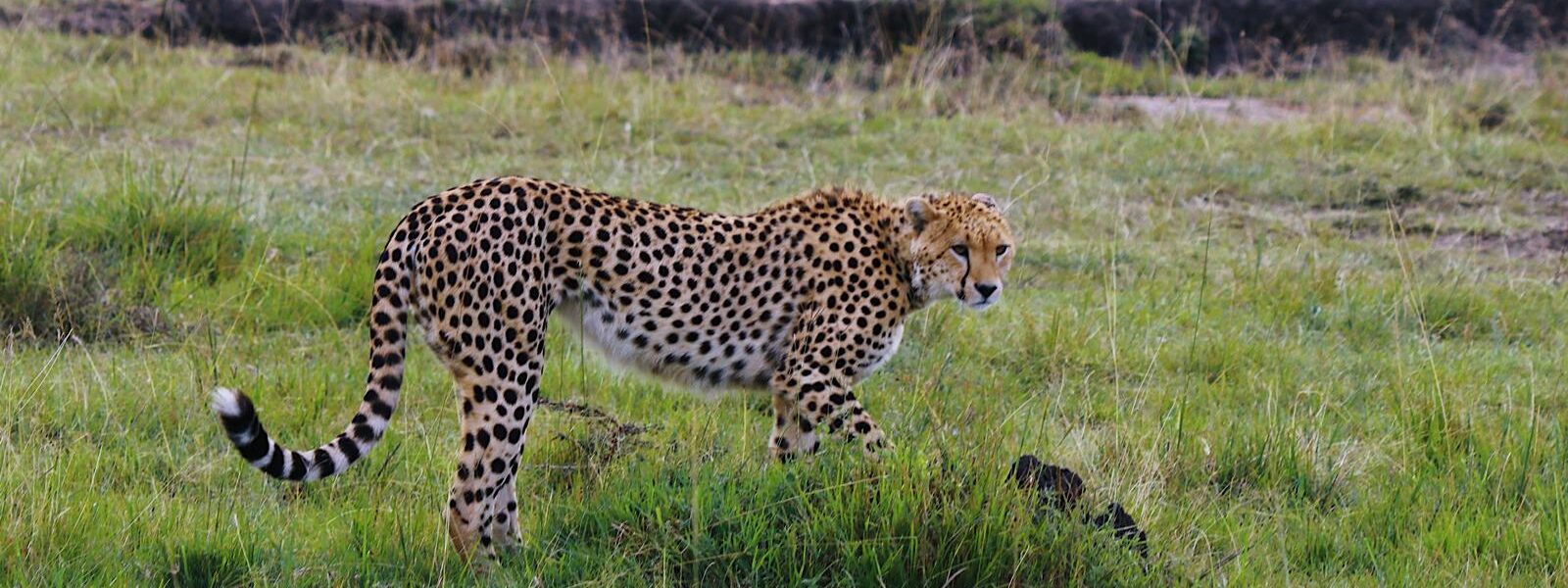
Kenya is a land of contrast. Wide savannahs. Snow-capped mountains. Palm-lined beaches. However, knowing the best time to visit Kenya can completely shape your experience.
The truth is simple. Kenya is a year-round destination. Every season offers something unique. Therefore, the best time to visit Kenya depends on what you want to see and experience. Whether it is the Great Migration, fewer crowds, lower rates, or sunny beach days, timing matters.
In this guide, we break down Kenya’s seasons, wildlife highlights, and what you can realistically expect throughout the year.
Understanding Kenya’s Seasons
First of all, Kenya has two main seasons: dry and rainy. These seasons influence wildlife movement, landscapes, and travel costs.
Dry Season (June to October)
This is widely considered the best time to visit Kenya for safari. During these months, the weather is cooler and mostly dry. Wildlife gathers around water sources. As a result, game viewing becomes easier and more predictable. Moreover, the grass is shorter. This improves visibility. Photographers especially love this period.
The dry season also coincides with the famous Great Migration in the Maasai Mara. From July to October, millions of wildebeest cross from the Serengeti into Kenya. River crossings are dramatic. The action is intense. However, this is peak season. Therefore, prices are higher and lodges fill quickly.
What to expect:
-
Excellent wildlife sightings
-
Minimal rainfall
-
Cooler mornings and evenings
-
Higher rates and more visitors
Short Rains (November to December)
After October, the short rains begin. Although there are afternoon showers, they are usually brief. Furthermore, landscapes turn green and vibrant. The air feels fresh and clear. In addition, this is an excellent time for birdwatching. Migratory birds arrive in large numbers. Parks are quieter. Rates are often lower compared to peak season.
What to expect:
-
Lush green scenery
-
Fewer tourists
-
Great birdlife
-
Occasional but manageable rain showers
Green Season / Long Rains (March to May)
This is Kenya’s low season. Rainfall is heavier during these months. Some remote roads may become muddy. Nevertheless, the scenery is breathtaking. Everything feels alive and dramatic. Additionally, accommodation rates drop significantly. Therefore, travelers can enjoy luxury experiences at more affordable prices. However, wildlife can be slightly harder to spot due to taller grass. Flexibility and patience are important.
What to expect:
-
Lower safari prices
-
Dramatic skies and vibrant landscapes
-
Fewer crowds
-
Possible travel delays due to rain
Best Time for Wildlife Safaris in Kenya
If wildlife viewing is your priority, June to October is ideal. The dry weather makes animals easier to find and photograph. For example, in Amboseli National Park, elephants gather near water sources with Mount Kilimanjaro in the background. Meanwhile, Tsavo National Park offers vast open plains and dramatic red-dust landscapes. That said, Kenya delivers wildlife year-round. Calving season early in the year attracts predators. Therefore, even the green season offers rewarding sightings.
Best Time for Kenya’s Coast
Many travelers combine safari with beach relaxation. Fortunately, Kenya’s coast is warm throughout the year. The beaches around Mombasa, Watamu, Lamu, and Diani Beach are sunny and tropical. January to March is particularly hot and dry. June to October is slightly cooler and less humid. However, April and May tend to be rainier along the coast. Even so, fewer visitors mean quieter beaches and better hotel rates.
Best Time for Adventure and Trekking
Clear skies are important for trekking and climbing. Therefore, January to March and June to October are best for climbing Mount Kenya. Similarly, these months are excellent for hot air balloon safaris, guided bush walks, and photography-focused trips.