
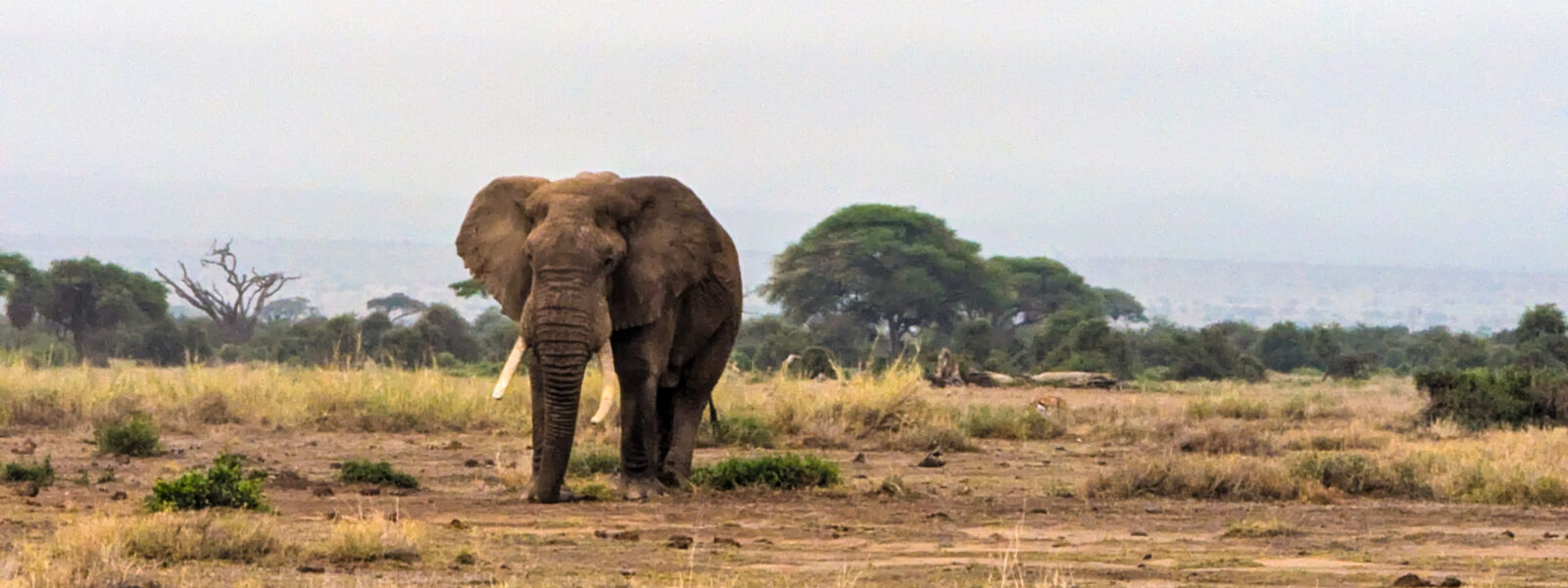
Kenya is a paradise for wildlife photography. The landscapes feel vast and untamed. The light is soft and golden. Most importantly, the wildlife moves freely across open ecosystems. As a result, every game drive holds the potential for powerful images.
However, each destination offers a different photographic experience. Some parks deliver dramatic predator action. Others shine with rare species or scenic backdrops. Therefore, choosing the right location matters. Below are the best places in Kenya to capture unforgettable wildlife photos.
1) Maasai Mara National Reserve
First, this reserve stands out as Kenya’s most iconic wildlife photography destination. The open savannah makes animal sightings easier. In addition, the predator population is incredibly high. Consequently, photographers often capture lions, cheetahs, and leopards in action.
Furthermore, the Great Migration brings intense river crossings and dramatic scenes filled with movement and dust. It is best for big cats, migration moments, and storytelling sequences.
2) Amboseli National Park
Next, Amboseli offers some of the most recognizable scenery in Africa. Large elephant herds roam freely across open plains. Meanwhile, Mount Kilimanjaro creates a stunning background for wide landscape shots.
Additionally, the flat terrain allows photographers to compose clean and balanced frames. This iconic park is best for elephant portraits and iconic backdrops.
3) Samburu National Reserve
Samburu is an excellent choice for a more rugged and remote feel. The reserve is less crowded. Therefore, sightings feel more personal and authentic. Moreover, the region is home to rare northern species such as Grevy’s zebra and the reticulated giraffe. The rocky landscapes and dry riverbeds also add texture and contrast to your images. It is best for rare species, unique scenery and intimate encounters.
4) Lake Nakuru National Park
If bird photography excites you, Lake Nakuru is a must visit. Flamingos often line the shoreline, creating beautiful reflections. At the same time, rhinos and other wildlife roam through forested and open areas. Because of this diversity, photographers can capture a wide range of scenes within a small area.
5) Tsavo East National Park
Tsavo East feels raw and expansive. The red soil gives elephants their distinctive rust-colored appearance. Consequently, your images gain a unique visual signature. Better yet, fewer vehicles create quieter sightings and more natural animal behavior. The park is known for the large elephant herds, rugged landscapes and authentic wilderness scenes.
6) Tsavo West National Park
In contrast, Tsavo West offers lush scenery and dramatic terrain. Volcanic hills, lava flows, and springs create endless photographic variety. As a result, each drive feels visually different. Furthermore, Mzima Springs provides opportunities to photograph hippos and crocodiles in clear water. It is a top choice for creative landscapes, varied ecosystems, unique perspectives.
7) Laikipia Plateau
Finally, Laikipia provides exclusive conservancies and exceptional wildlife encounters. Because visitor numbers remain limited, photographers enjoy more space and flexibility. This makes it easier to follow animals and capture natural behavior. What’s more? The region hosts endangered species and diverse habitats, which expand your creative possibilities.
Essential Tips for Wildlife Photography in Kenya
First, be patient. Wildlife moves on its own schedule. Waiting quietly often leads to the most authentic moments.
Next, focus on light. Early mornings and late afternoons provide soft, golden tones. As a result, your images feel more cinematic and balanced.
Besides that, keep your shutter speed high when animals are active. Movement happens quickly. Consequently, preparation is key.
Furthermore, observe behavior instead of chasing perfect poses. Natural interactions create stronger storytelling images.
Best Time of Year for Wildlife Photography in Kenya
June to October offers dry conditions and excellent visibility. Animals gather near water sources. Therefore, sightings become more predictable.
Meanwhile, January to March provides clear skies and fewer crowds. This period is perfect for predator photography and newborn wildlife.
If you want migration scenes, aim for July through September in the Maasai Mara. However, nature remains unpredictable. Flexibility always helps.
Recommended Photography Gear for a Kenya Safari
Bring a telephoto lens between 200mm and 600mm for wildlife close ups. At the same time, pack a wide angle lens for landscapes and environmental shots. A beanbag or stable support helps reduce camera shake during drives. Additionally, extra batteries and memory cards are essential due to long hours in the field. Most importantly, protect your equipment from dust with proper covers and cleaning kits.
At Boost Safaris, we provide a dedicated photography safari vehicle with a canvas modification that can be opened on the sides for unobstructed views. Some seats can also be removed to create generous space for equipment and movement. For added comfort and flexibility, we also offer camera bean bags and a comfortable photography mattress, allowing photographers to shoot comfortably from low angles, lie flat when needed, and adjust positions for excellent shots.
Responsible Wildlife Photography Practices
Respect animal space at all times. Ethical photography protects both wildlife and habitats.
Avoid loud noises or sudden movements. Instead, allow animals to behave naturally.
Furthermore, listen to your guide. Their experience ensures safe and respectful encounters. As a result, you capture authentic moments without disturbing the environment.