
Tucked between Mount Kenya and the vast sweep of the Great Rift Valley, Laikipia is a landscape that doesn’t announce itself loudly. It doesn’t need to. This is Kenya’s quiet wilderness frontier, an expansive mosaic of private and community conservancies where wildlife moves freely and conservation is lived, not displayed.
But beneath its calm surface, Laikipia carries stories. Some documented. Others whispered.
1) Giza the Panther
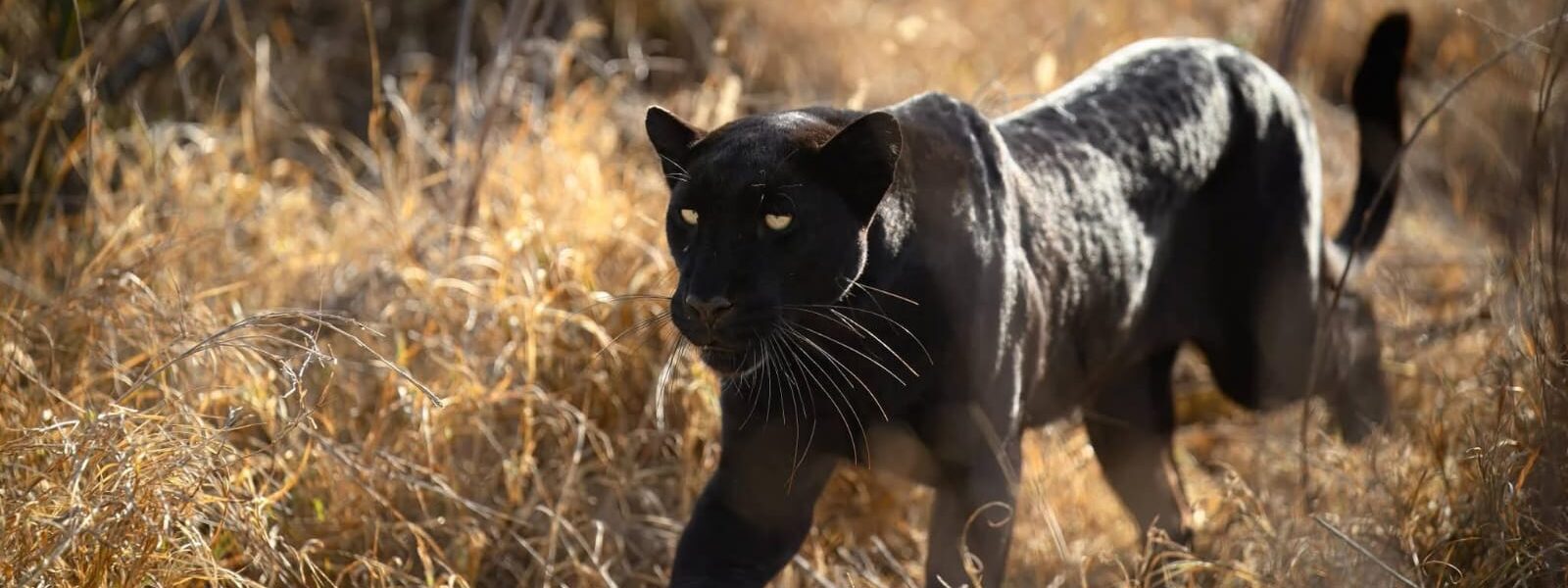
In Laikipia’s layered wilderness, where private conservancies merge into vast unfenced habitat, leopards are a constant presence—yet rarely a sighting. Among them, one individual has become quietly recognized by experienced guides and trackers: Giza the Panther.
Giza is part of Laikipia’s documented leopard population, a solitary predator moving through a landscape defined by rocky escarpments, dry riverbeds, and dense riverine thickets. Like all leopards in this region, it exists at the edge of visibility—present in tracks, camera-trap records, and fleeting nocturnal encounters that rarely last more than seconds.
In a landscape where predator research is highly active and monitoring systems are extensive, such consistency of elusiveness is notable in itself.
2) A Land Without Fences (Almost)
Laikipia is not a single park, but a living network of conservancies such as Lewa, Borana, Ol Pejeta, and many others stitched together by conservation rather than concrete boundaries. Here, elephants drift across open plains, giraffes trace the skyline, and zebras cut across dry valleys as if following instructions written long before humans arrived.
It is a place where the land still decides the rhythm of movement.
And sometimes, it feels like something else moves with it.
3) Guardians of the Rhino Kingdom
This region is one of the last strongholds of both black and white rhinos in Kenya. At Ol Pejeta and surrounding conservancies, protection is constant and intense. Rangers patrol day and night, tracking systems map movements, and every sighting carries meaning.
It is conservation at its most serious level. Not polished. Not performative. Just necessary.
4) The Northern Species You Don’t Expect
Laikipia also protects species that feel almost designed for harsher worlds: Grevy’s zebra with its narrow stripes and alert posture, reticulated giraffe patterned like fractured glass, and Somali ostrich adapted to dry, open terrain.
These animals give the region a different texture. Less lush safari, more raw ecological precision.
5) Safari Without the Noise
Unlike more crowded parks, Laikipia offers space. Game drives unfold without traffic. Walking safaris are common. Night drives reveal entirely different ecosystems—hyenas calling across distance, bush babies flickering through acacia branches, and the faint sense that the dark here is never empty.
Guides don’t just point things out. They interpret a landscape that is constantly speaking in subtle signals.
6) Where People and Wilderness Share Ground
Conservation in Laikipia is built on coexistence. Pastoralist communities share land with wildlife, and many conservancies operate through partnerships rather than exclusion. It is an evolving model—imperfect, adaptive, and deeply human.
But it works. And it’s one of the reasons wildlife still thrives here.
What is the Best Time to Visit Laikipia?
Laikipia is a year-round safari destination, but the experience shifts noticeably with the seasons. The dry season, from June to October, offers the most consistent wildlife viewing as vegetation thins and animals gather around permanent water sources. This is also when predator activity is easier to track, making it ideal for leopard and lion encounters.
The green season, from November to May, transforms the landscape into a more dramatic, lush environment. The plains turn vibrant, birdlife increases significantly, and photographic conditions become especially striking with moody skies and soft light. While wildlife is more dispersed during this period, the reduced visitor numbers create a more private and immersive safari experience.
Key Conservancies in Laikipia
Laikipia’s safari experience is defined by its conservancies, each offering a different interpretation of the landscape and wildlife interaction.
- Ol Pejeta Conservancy stands as one of the most important conservation areas in East Africa, known for its strong rhino protection programs and its role in wildlife research and monitoring. It offers one of the most structured conservation experiences in the region.
- Lewa Wildlife Conservancy is a UNESCO World Heritage Site that combines high-level conservation with classic safari appeal. It is particularly known for its strong populations of both black and white rhinos, as well as its well-managed tourism model.
- Borana Conservancy offers a more exclusive, low-impact safari experience, blending wildlife viewing with luxury accommodation and activities such as horseback safaris across open plains.
- Loisaba Conservancy is defined by its dramatic landscapes, escarpments, and river valleys, making it especially suited for walking safaris and wide-ranging game drives across varied terrain.
Unique Safari Experiences in Laikipia
Laikipia is not just about game drives. It is about the way you move through the landscape.
Horseback safaris allow riders to move quietly through open plains, often getting closer to wildlife than vehicles typically allow. It is one of the most distinctive safari experiences in Kenya.
Walking safaris provide a grounded perspective of the ecosystem, focusing on tracks, plants, insects, and the subtle details often missed from a vehicle. These are conducted with experienced guides and armed rangers.
Night drives reveal an entirely different ecosystem, where nocturnal species become active and predator behavior shifts. Hyenas, bush babies, and elusive cats define the rhythm of the landscape after dark.
Conservation-focused visits in select conservancies also allow guests to understand ongoing efforts such as rhino monitoring, anti-poaching operations, and wildlife tracking systems, offering a deeper look into how the ecosystem is actively managed.
Laikipia is not just a destination. It is a layered experience of land, life, and memory. It is where conservation feels real, wildlife feels present, and silence often feels like part of the ecosystem itself.